Search
your hotels
Crete Travel – Your one stop travel agency
Crete Travel is your one stop travel agent for planning your vacations in Crete to the last detail.
We provide various accommodation proposals such as hotels, villas and apartments in all of Crete’s regions,
namely Chania, Rethymno, Heraklion and Lasithi.
Via an extended network of professionals we are able to arrange tours and activities all around the beautiful island of Crete.
Either you want to experience amazing food tours in Chania or Rethymno old towns,
experience the grandeur of the Minoan civilization in Knossos,
sail on a yacht to Dia Island from Heraklion port or emerge in history visiting Spinalonga Island
starting from either Agios Nikolaos or Elounda,
we are not only to arrange it, but make sure you will experience it with safety and at its full extent.
Naturally, beyond accommodation, tours & activities in Crete,
we are able to assist you with your car rental, create tailor made proposals,
organize various types of events and shore excursions, book ferry tickets and a plethora of other services.
With over 25 years of experience in Hospitality and a deep understanding of the immense value of vacations for a human being,
we pledge our energy, resources and efforts to you having a memorable time in Crete.
Brilliant places to stay in Crete
For people who love special
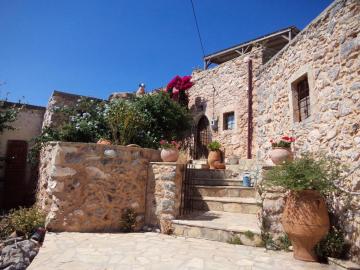
OFFER
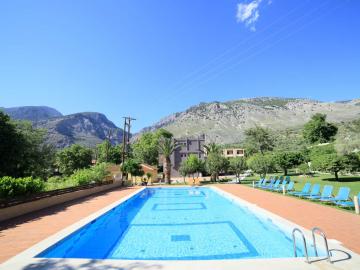
Sitanos Authentic Cretan Stone Farmhouses
The philosophy of back to basics has found true meaning at Sitanos Authentic Cretan Stone Houses...
Start From € 80
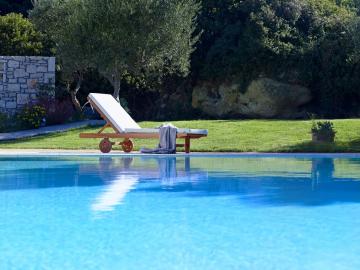
OFFER
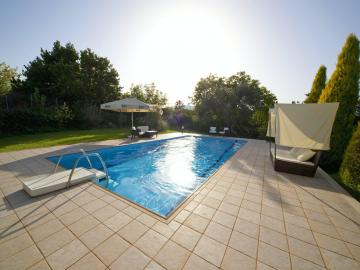
Eliathos Residence Houses
Eliathos Residence Houses is a building complex at a unique destination of refined beauty,...
Start From € 99
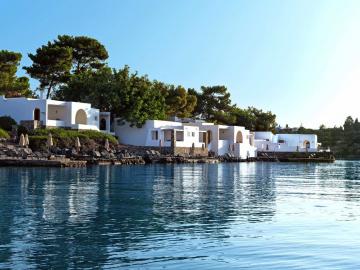
OFFER
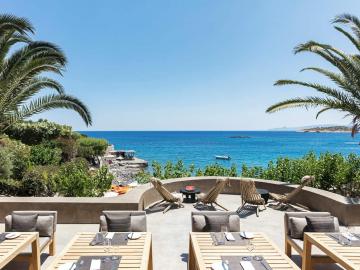
Minos Beach Art Hotel
Minos Beach Art Hotel, luxurious stay in minimalist surroundings, a little piece of magic and...
Start From € 105
OFFER
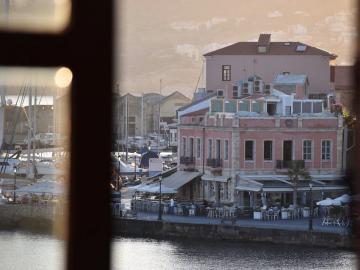
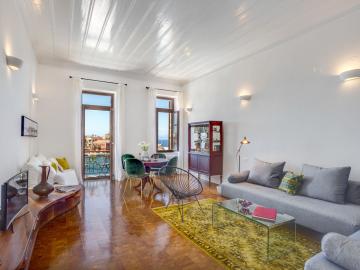
DomicileChania - Venetian Residence
DomicileChania Venetian Residence, a dream come true. The path to heaven is not a secret one...
Start From € 105
OFFER
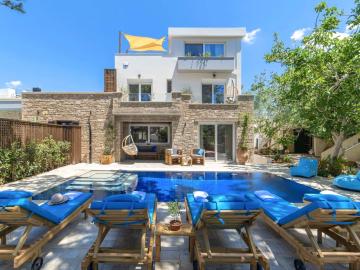
Paradisos Villas
Paradisos Villas in Koutsouras nearby Ierapetra, is a new build luxury complex of five adjacent...
Start From € 150
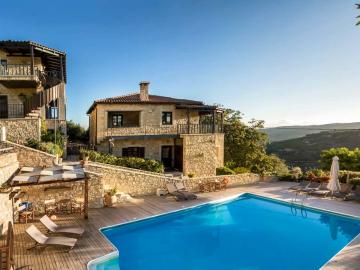
Asion Lithos Traditional Stone Houses
Asion Lithos Houses, three traditional solid stone houses in a charming inland village of Kato...
Start From € 65
Most Popular Activities in Crete
For the most memorable experiences
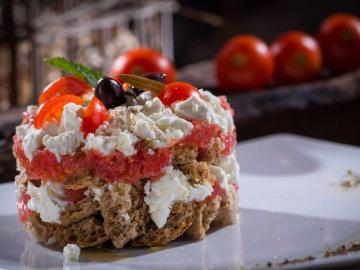
Cooking Lessons & Wine - Food Tasting Rethymno
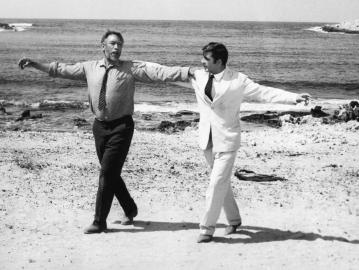
Zorba from Crete - Private Tour
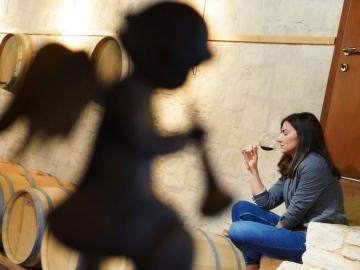
Winery Tour & Organic Wine Tasting At Gavalas Winery - Heraklion Crete
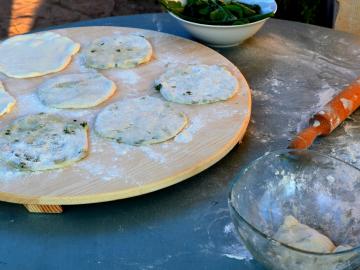
Cretan - Greek Pie Workshop
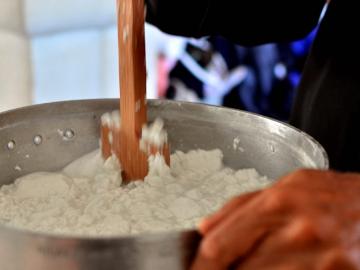
Amalthia-Making Cretan Cheese In The Heart Of Psiloritis Natural Park
Offers to not miss in Crete
Discover our most tempting deals & offers